
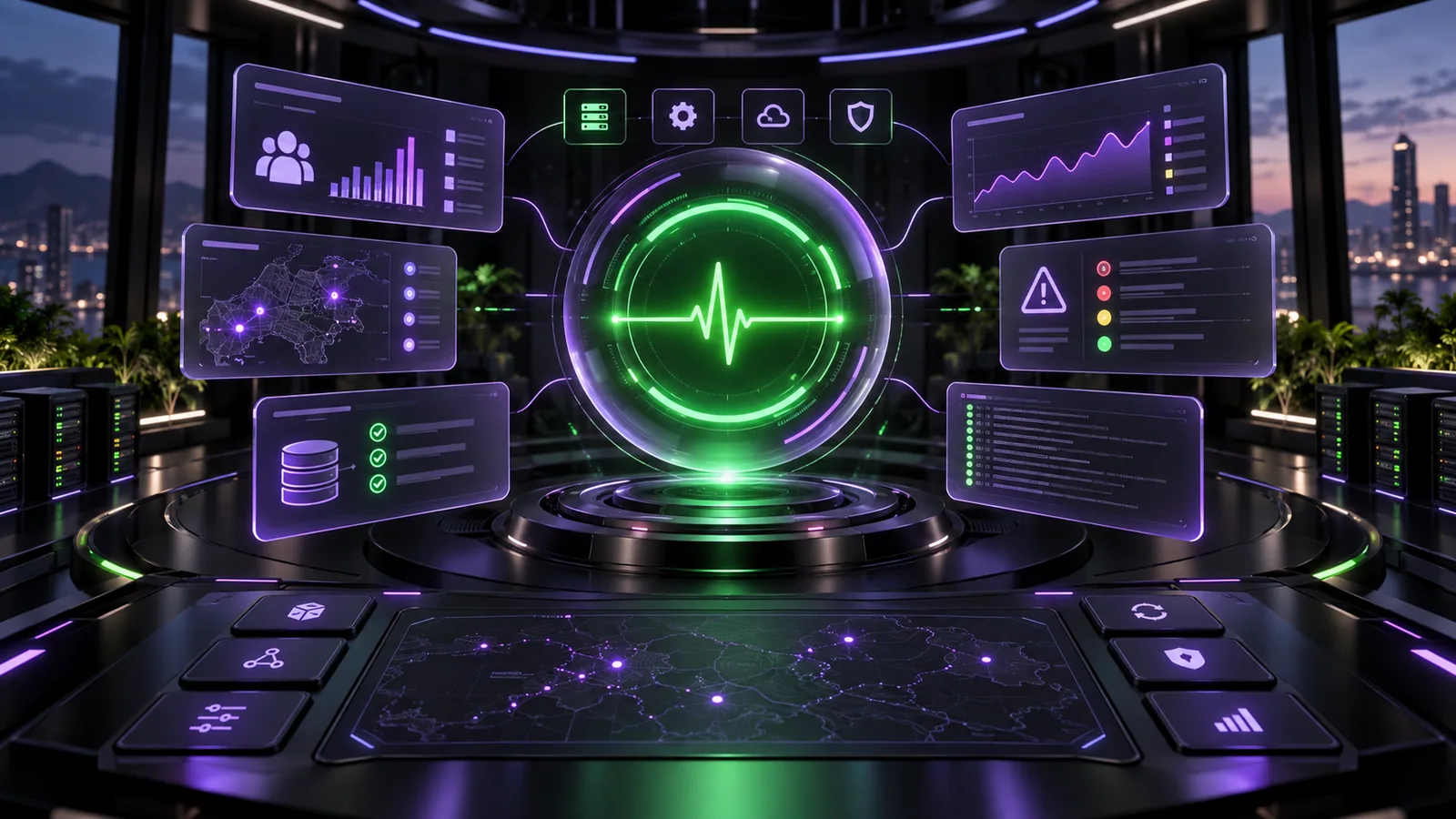
Uptime is not enough: tick time, queries, errors and player journeys must be visible.
What this means in practice
The visible interface is only one part. Our review considers Monitoring, Logs and Alerting together because most failures and later support cases appear at those boundaries.
The technical decision behind it
Production-ready means state is visible, failures are limited and the next step is documented. Monitoring, backup, access, updates and support are planned as one operating process.
Implementation checklist
These three points belong in planning, review and handover:
- Name ownership and escalation path
- Test backup, update and fallback
- Define metrics, logs and actionable alerts
The test before launch
A simulated incident must trigger the right alert and be recoverable from documentation without shared root access or private DMs.
Workshop note: Monitoring, Logs and Alerting are tested on staging from a documented initial state.
Frequently asked questions
What should be tested before launch?
A simulated incident must trigger the right alert and be recoverable from documentation without shared root access or private DMs.
Is a custom implementation worthwhile?
Yes, when workflows, design or permissions differ from the standard. The goal is a maintainable solution with clear configuration, documentation and an update path.
Apply this to your project?
We review your starting point and develop a realistic next step.